

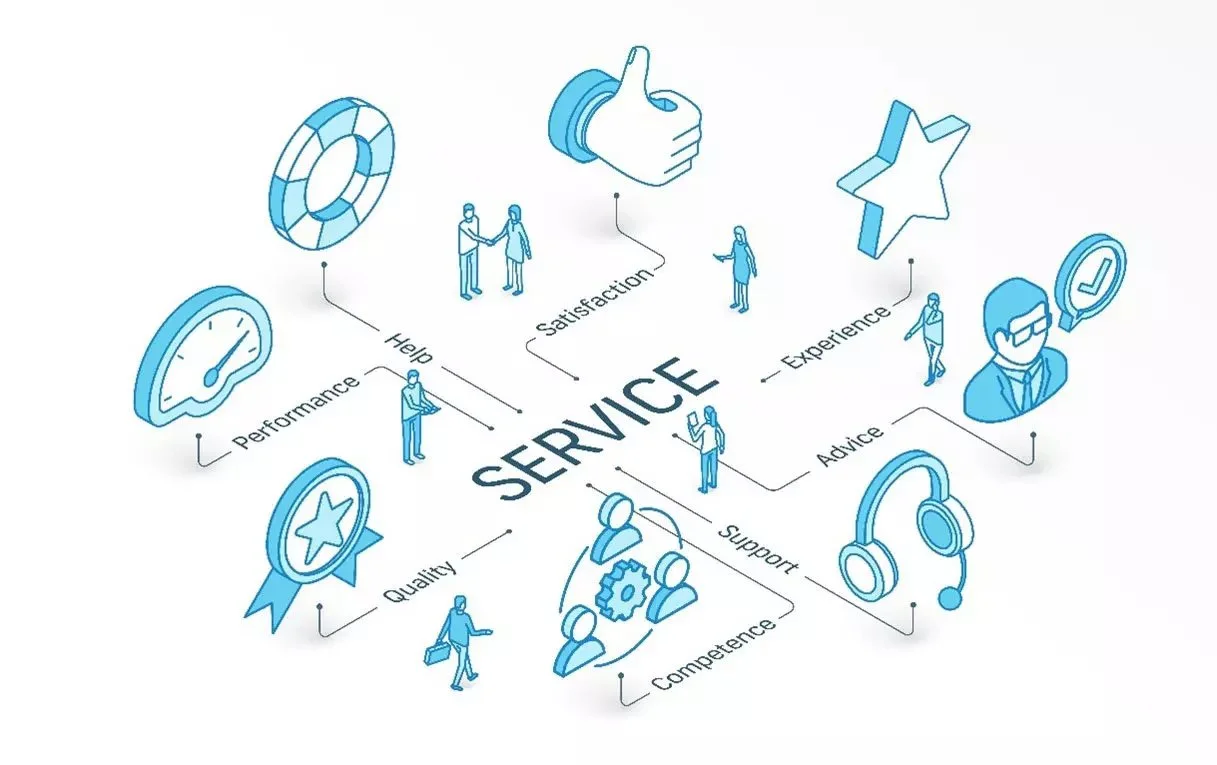
In the competitive world of eCommerce, exceptional customer service is not just a nice-to-have feature—it's a critical differentiator that can make or break your business. As online shopping continues to grow, customers have more options than ever before, and they're increasingly making purchasing decisions based on the quality of service they receive.
This comprehensive guide explores why outstanding customer service is essential for eCommerce success and provides actionable strategies to elevate your customer support operations to win customer loyalty and drive business growth.
Why Customer Service Is Critical for eCommerce Success
Before diving into implementation strategies, it's important to understand why customer service deserves a central place in your eCommerce business model:
1. Customer Retention Is Cost-Effective
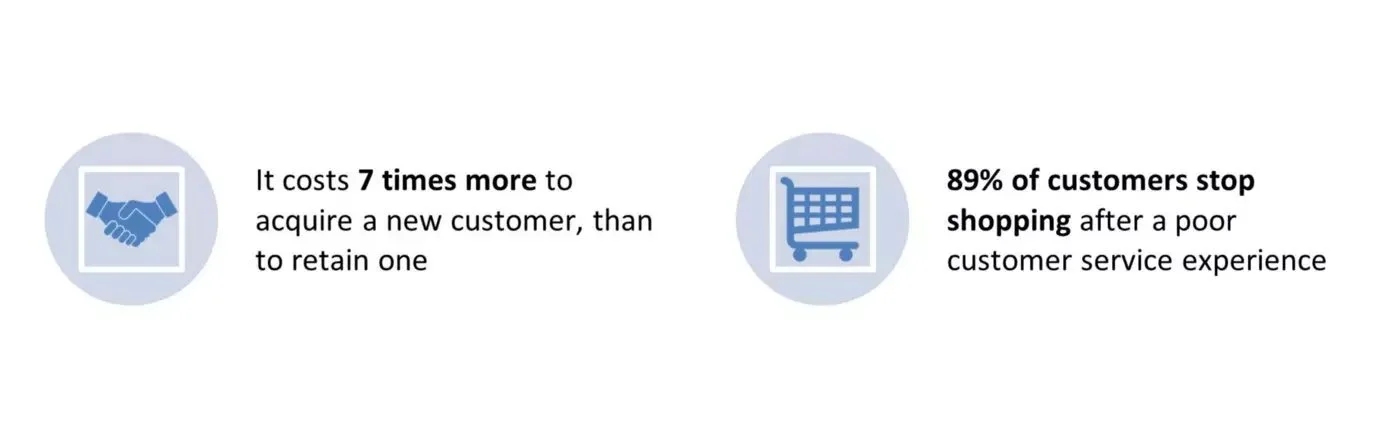
Research consistently shows that acquiring a new customer costs 5-7 times more than retaining an existing one. By providing exceptional service that keeps customers coming back, you significantly reduce your customer acquisition costs and improve profitability.
2. Service Experience Drives Repeat Business
According to studies, 89% of consumers have stopped doing business with a company after experiencing poor customer service. Conversely, customers who receive excellent service are likely to spend 140% more than those who receive poor service and are more likely to become repeat customers.
3. Positive Word-of-Mouth Is Powerful Marketing
Satisfied customers become brand advocates who share their positive experiences with friends, family, and on social media. This word-of-mouth marketing is incredibly valuable—92% of consumers trust recommendations from friends and family over any other type of advertising.
4. Service Quality Influences Purchase Decisions
In the online environment where customers can't physically interact with products, customer service becomes even more critical. 73% of customers say that friendly customer service representatives can make them fall in love with a brand, and 86% are willing to pay more for a better customer experience.
5. Service Excellence Differentiates Your Brand
In crowded eCommerce categories where products and prices are often similar, customer service becomes a key differentiator. Businesses that excel in service stand out from competitors and build stronger brand loyalty.
Essential Components of Exceptional eCommerce Customer Service
Now that we understand the importance of customer service, let's explore the key components that make up an exceptional eCommerce customer service strategy:
1. Omnichannel Support
Today's customers expect to be able to reach your business through their preferred communication channels. An omnichannel approach ensures that customers can get support through multiple channels, including:
- Email: Perfect for non-urgent issues and detailed correspondence
- Live chat: Ideal for immediate assistance while customers are browsing or shopping
- Phone support: Essential for complex issues that require human interaction
- Social media: Increasingly important as customers often turn to platforms like Twitter or Facebook for quick responses
- Self-service options: Comprehensive FAQs, knowledge bases, and tutorial videos
The key to successful omnichannel support is ensuring consistency across all channels. Customer information and interaction history should be accessible across platforms, allowing for seamless transitions when customers switch from one channel to another.
2. Personalized Interactions
Personalization is no longer a luxury—it's an expectation. eCommerce businesses should strive to make each customer feel valued and understood through:
- Addressing customers by name
- Referencing past purchases and preferences
- Providing recommendations based on browsing and purchase history
- Acknowledging loyalty and customer tenure when appropriate
- Tailoring communications to match customer profiles and behaviors
CRM systems and customer data platforms can help aggregate customer information to enable this level of personalization across all touchpoints.
3. Responsive and Timely Service
In eCommerce, speed matters. Customers expect quick responses to their inquiries and issues:
- Aim to respond to emails within 24 hours (ideally much faster)
- Answer live chat inquiries within minutes (or seconds, if possible)
- Keep phone hold times to a minimum
- Set up automated acknowledgments for after-hours inquiries with clear expectations on when customers will receive a response
- Implement service level agreements (SLAs) for your team to maintain consistent response times
The faster you can resolve a customer's issue, the more satisfied they will be with the experience.
4. Proactive Communication
Don't wait for customers to contact you with problems. Proactive communication can prevent issues before they arise and demonstrate your commitment to customer satisfaction:
- Send order confirmations and shipping notifications automatically
- Provide tracking information without customers having to ask
- Notify customers about potential delays or issues before they occur
- Follow up after purchases to ensure satisfaction
- Check in with inactive customers to re-engage them
Proactive communication shows customers that you value their business and are dedicated to providing a smooth shopping experience.
5. Easy Returns and Exchanges
A hassle-free return policy is a significant factor in purchase decisions for online shoppers. Since customers can't physically examine products before buying, they need reassurance that returns won't be a headache:
- Create a clear, easy-to-understand return policy
- Make the return process simple, with minimal steps
- Offer prepaid return shipping labels when possible
- Process refunds promptly
- Consider offering free returns as a competitive advantage
A customer-friendly return policy not only enhances the shopping experience but also builds trust and confidence in your brand.
6. Knowledgeable Support Team
Your customer service representatives are the human face of your brand. They should be:
- Well-trained in product knowledge
- Familiar with company policies and procedures
- Equipped with the authority to make decisions to resolve issues
- Skilled in communication and conflict resolution
- Empathetic and patient, even in difficult situations
Investing in regular training and empowering your support team to truly help customers will pay dividends in customer satisfaction and loyalty.
Strategies for Implementing Exceptional Customer Service
Now that we've covered the essential components, let's explore practical strategies for implementing exceptional customer service in your eCommerce business:
1. Develop a Customer Service Philosophy
Start by defining what exceptional customer service means for your brand. Create a clear philosophy that:
- Aligns with your brand values and mission
- Articulates your commitment to customer satisfaction
- Sets expectations for how team members should interact with customers
- Provides guiding principles for decision-making
This philosophy should be communicated throughout your organization and incorporated into training programs, performance evaluations, and company culture.
2. Map the Customer Journey
Understanding the full customer journey allows you to identify potential pain points and opportunities for exceptional service:
- Document all touchpoints from initial discovery to post-purchase follow-up
- Identify moments of truth—critical interactions that significantly impact customer perception
- Analyze where service breakdowns typically occur
- Design service interventions at key points in the journey
This mapping exercise provides a holistic view of the customer experience and helps prioritize service improvements.
3. Invest in the Right Technology
Technology can significantly enhance your customer service capabilities:
- CRM systems: To track customer interactions and preferences
- Help desk software: To manage support tickets and ensure nothing falls through the cracks
- Live chat platforms: To provide immediate assistance on your website
- AI chatbots: To handle simple inquiries and provide 24/7 support
- Knowledge base software: To create self-service resources
- Customer feedback tools: To gather insights and measure satisfaction
Choose technologies that integrate well with each other and with your eCommerce platform to create a seamless experience for both customers and service agents.
4. Establish Clear Metrics and KPIs
You can't improve what you don't measure. Establish clear key performance indicators (KPIs) for customer service, such as:
- First response time
- Average resolution time
- Customer satisfaction score (CSAT)
- Net Promoter Score (NPS)
- Customer Effort Score (CES)
- Resolution rate (percentage of issues resolved in first contact)
- Customer retention rate
Regularly review these metrics to identify trends, celebrate successes, and address areas needing improvement.
5. Empower Your Customer Service Team
Your front-line service representatives need the authority and resources to effectively help customers:
- Give representatives the power to make decisions (within reasonable limits) without escalating to managers
- Create clear guidelines for handling common issues
- Provide access to the information and systems they need to resolve problems
- Recognize and reward exceptional service performance
- Encourage creativity in finding solutions that satisfy customers
Empowered employees are more engaged, more effective problem-solvers, and better representatives of your brand.
6. Implement a Voice of Customer (VoC) Program
Systematically collecting and acting on customer feedback is essential for continuous improvement:
- Use post-purchase surveys to gather feedback on the shopping experience
- Implement post-interaction surveys after customer service contacts
- Monitor and analyze reviews on your site and third-party platforms
- Conduct periodic customer interviews or focus groups
- Create a systematic process for reviewing and acting on feedback
A robust VoC program ensures that your service strategy evolves based on actual customer needs and expectations rather than assumptions.
Advanced Tactics for Customer Service Excellence
To truly differentiate your eCommerce business through customer service, consider these advanced tactics:
1. Surprise and Delight
Going beyond meeting basic expectations to create memorable positive experiences can turn customers into advocates:
- Include personalized thank-you notes with orders
- Offer unexpected upgrades or samples
- Send thoughtful gifts to celebrate customer milestones or anniversaries
- Provide special accommodations for loyal customers
- Empower service agents to make thoughtful gestures when appropriate
These small touches can create emotional connections that build strong brand loyalty.
2. Service Recovery Excellence
How you handle service failures often has a greater impact on customer loyalty than routine positive experiences. Develop a strong service recovery process:
- Acknowledge the issue and apologize sincerely
- Listen fully to the customer's concern without interrupting
- Take ownership of the problem, regardless of the cause
- Resolve the issue quickly and completely
- Offer appropriate compensation or goodwill gestures
- Follow up to ensure satisfaction with the resolution
- Learn from the experience to prevent similar issues
Effective service recovery can actually create stronger loyalty than if the problem had never occurred—a phenomenon known as the "service recovery paradox."
3. Customer Communities
Creating spaces for customers to connect with each other and with your brand can enhance the service experience:
- Develop forums or social media groups for customers to share experiences and advice
- Host virtual or in-person events for community building
- Leverage community knowledge for peer-to-peer support
- Gather product feedback and ideas from community members
- Recognize and reward community contributors
Customer communities extend your service capabilities while fostering a sense of belonging that strengthens brand loyalty.
4. Predictive Service
Using data analytics to anticipate customer needs before they arise represents the cutting edge of customer service:
- Analyze purchase patterns to predict when customers might need to reorder
- Identify potential issues based on browsing behavior or product combinations
- Use AI to detect signs of customer dissatisfaction in communications
- Proactively reach out with solutions before customers experience problems
- Develop tailored service approaches based on customer segments and behaviors
Predictive service demonstrates a deep understanding of your customers and a commitment to their satisfaction.
Common Customer Service Challenges in eCommerce and How to Address Them
Even with the best strategies in place, eCommerce businesses face specific customer service challenges. Here's how to address some of the most common ones:
1. Handling High Volumes During Peak Seasons
Holiday seasons and special promotions can create service bottlenecks:
- Develop staffing plans that account for seasonal fluctuations
- Cross-train team members to provide flexibility during busy periods
- Consider temporary staff augmentation for peak times
- Strengthen self-service options to handle routine inquiries
- Set realistic expectations with customers during exceptionally busy periods
2. Managing Shipping and Delivery Issues
Delivery problems are among the most common customer complaints in eCommerce:
- Partner with reliable shipping providers
- Implement real-time tracking and proactive notifications
- Build buffer time into delivery promises
- Have clear procedures for handling lost or delayed packages
- Empower service agents to resolve shipping issues quickly
3. Bridging the Digital Empathy Gap
Without face-to-face interaction, conveying empathy and building rapport can be challenging:
- Train service agents in digital communication skills
- Use video chat when appropriate for more personal interactions
- Incorporate personalization into all communications
- Use appropriate tone and language that reflects your brand voice
- Include photos of team members on your site to humanize the digital experience
4. Balancing Automation and Human Touch
Finding the right mix of efficiency and personal service is an ongoing challenge:
- Use automation for routine tasks and information gathering
- Ensure easy escalation to human agents when needed
- Regularly review automated systems to identify friction points
- Use customer feedback to refine the balance
- Consider the complexity and emotional content of different types of inquiries when deciding on automation
5. Supporting International Customers
As your eCommerce business expands globally, service complexities multiply:
- Offer support in multiple languages when feasible
- Understand cultural differences in service expectations
- Adjust service hours to accommodate different time zones
- Be familiar with international shipping regulations and customs processes
- Develop region-specific knowledge bases and FAQs
Measuring the ROI of Customer Service Excellence
Exceptional customer service requires investment, and demonstrating its return on investment is important for securing resources and organizational buy-in:
1. Direct Revenue Impact
Track metrics that directly connect service quality to revenue:
- Conversion rates for customers who engage with service versus those who don't
- Average order value for customers after positive service interactions
- Successful save rates when service interventions prevent cancellations
- Upsell and cross-sell success from service interactions
2. Customer Lifetime Value (CLV)
Measure how service quality affects the long-term value of customer relationships:
- Compare CLV for customers with positive service experiences versus the average
- Track retention rates and repeat purchase behavior
- Analyze the impact of service recovery on future purchasing
- Measure changes in CLV over time as service improvements are implemented
3. Operational Efficiency
Excellent service can actually reduce costs through:
- Decreased volume of contacts through proactive communication
- Reduced return rates by setting proper expectations
- Increased first-contact resolution rates
- More efficient service through appropriate channel steering
- Reduced customer churn and associated acquisition costs
4. Referral Value
Quantify the value of word-of-mouth generated by exceptional service:
- Track referral patterns and referral program participation
- Measure social media sentiment and brand mentions
- Calculate the acquisition cost for referred customers versus other channels
- Analyze conversion rates and CLV for referred customers
Conclusion: Customer Service as a Competitive Advantage
In the increasingly competitive eCommerce landscape, product selection and pricing are often similar across competitors. Exceptional customer service provides a sustainable competitive advantage that's difficult for others to replicate.
By investing in comprehensive service strategies—from omnichannel support and personalization to proactive communication and seamless returns—eCommerce businesses can create loyal customer bases that drive sustainable growth.
Remember that customer service excellence is not a one-time initiative but an ongoing commitment. Continuously gather feedback, measure performance, and refine your approach based on changing customer expectations and market conditions.
The eCommerce businesses that will thrive in the future are those that view customer service not as a cost center but as a strategic asset—an essential component of their value proposition and a primary driver of long-term success.
When you prioritize exceptional customer service, you're not just solving problems—you're building relationships that turn one-time shoppers into lifetime customers and brand advocates.