

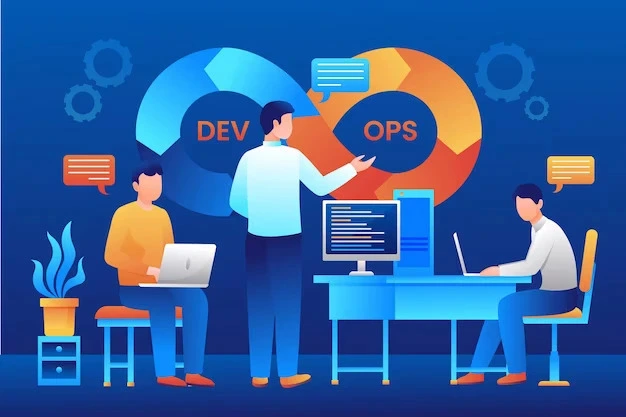
In today's rapidly evolving software landscape, Software-as-a-Service (SaaS) companies face unique challenges in delivering high-quality products while maintaining rapid development cycles. As competition intensifies and customer expectations rise, traditional approaches to software development and operations often struggle to keep pace. This is where DevOps-as-a-Service (DaaS) emerges as a transformative solution.
DevOps-as-a-Service offers SaaS companies a way to implement DevOps principles, practices, and tools without building an entire DevOps infrastructure from scratch. By outsourcing DevOps capabilities to specialized providers, SaaS businesses can accelerate their delivery pipelines, enhance product quality, and focus on their core competencies.
This comprehensive guide explores everything SaaS leaders need to know about DevOps-as-a-Service, from its fundamental concepts to implementation strategies and best practices for maximizing ROI.
Understanding DevOps-as-a-Service for SaaS Companies
DevOps-as-a-Service represents the evolution of the DevOps movement into a managed service model. It enables SaaS companies to access DevOps expertise, infrastructure, and tooling through specialized providers, allowing them to implement DevOps practices without significant upfront investment in resources or building specialized teams.
Core Components of DevOps-as-a-Service
A comprehensive DevOps-as-a-Service offering typically includes:
- Continuous Integration and Continuous Deployment (CI/CD) Pipelines: Automated frameworks for building, testing, and deploying code changes reliably and frequently.
- Infrastructure as Code (IaC): Management of cloud resources and infrastructure through code-based configuration files rather than manual processes.
- Monitoring and Analytics: Comprehensive observability solutions for tracking application performance, infrastructure health, and user experiences.
- Security Integration: Implementation of DevSecOps practices to embed security throughout the development lifecycle.
- Containerization and Orchestration: Deployment of applications in containers with orchestration platforms like Kubernetes for improved scalability and resource efficiency.
- Collaboration Tools: Platforms that enhance communication between development, operations, and business teams.
- Knowledge Transfer and Training: Education and upskilling services to help internal teams understand and eventually manage DevOps practices.
How DevOps-as-a-Service Differs from Traditional DevOps
While traditional DevOps involves building in-house capabilities, DevOps-as-a-Service offers several distinct characteristics:
- Reduced Initial Investment: No need for extensive hiring, training, or building infrastructure from scratch.
- Faster Implementation: Accelerated adoption of DevOps practices through pre-configured solutions and frameworks.
- Flexible Scaling: Ability to scale DevOps resources up or down based on project needs and growth patterns.
- Access to Expertise: Immediate availability of specialized skills that may be difficult or expensive to recruit internally.
- Managed Evolution: Continuous updates to tooling and practices without the burden of researching and implementing changes in-house.
Why SaaS Companies Need DevOps-as-a-Service
SaaS businesses operate in a uniquely challenging environment where rapid iteration, high availability, and seamless scalability are not just advantages but necessities. DevOps-as-a-Service addresses these specific needs in several ways:
Accelerating Time-to-Market
In the SaaS world, speed is often a competitive advantage. DevOps-as-a-Service enables:
- Automated deployment pipelines that reduce release cycles from weeks to days or even hours
- Streamlined testing processes that catch issues earlier in the development lifecycle
- Efficient feature flagging and canary deployments for controlled feature releases
- Rapid feedback loops that allow for quicker iteration based on user response
Ensuring High Availability and Reliability
For SaaS products, downtime directly impacts customer satisfaction and revenue. DevOps-as-a-Service helps maintain robust systems through:
- Infrastructure monitoring that proactively identifies potential issues
- Automated failover and recovery procedures that minimize disruption
- Load testing and performance optimization to handle traffic spikes
- Resilient architecture designs that prevent cascading failures
Supporting Scalability Needs
As SaaS companies grow, their infrastructure must scale accordingly. DevOps-as-a-Service facilitates this by providing:
- Cloud-native architectures that scale resources dynamically based on demand
- Containerization strategies that ensure consistent application behavior across environments
- Database scaling solutions that maintain performance as data volumes grow
- Microservices approaches that allow independent scaling of application components
Addressing Security Challenges
SaaS companies handle sensitive customer data and face increasing regulatory requirements. DevOps-as-a-Service addresses these concerns by implementing:
- Automated security scanning throughout the development pipeline
- Compliance monitoring and reporting tools
- Secure infrastructure configurations and hardening
- Vulnerability management and remediation processes
Optimizing Operational Costs
Managing costs is crucial for SaaS business models. DevOps-as-a-Service contributes to cost efficiency through:
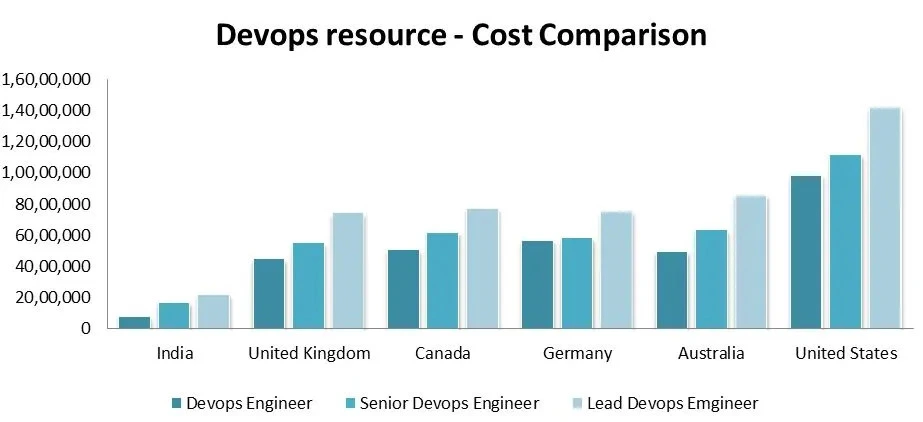
- Resource optimization that prevents over-provisioning
- Automation that reduces manual operational overhead
- Cost monitoring and alerting to identify unexpected expenditures
- Efficient CI/CD processes that minimize development and testing costs
Key Benefits of DevOps-as-a-Service for SaaS Companies
Implementing DevOps-as-a-Service offers SaaS companies numerous advantages beyond addressing specific operational challenges:
1. Focus on Core Product Development
By outsourcing DevOps functions, SaaS development teams can dedicate more time and energy to building product features that directly impact customer value. This focus on core competencies often results in:
- More innovative product development
- Faster response to market trends and customer needs
- Improved product quality and differentiation
- Higher developer satisfaction as they focus on creative work rather than operational tasks
2. Reduced Time and Cost for DevOps Implementation
Building an in-house DevOps team and infrastructure requires significant investment. DevOps-as-a-Service provides:
- Lower upfront costs with predictable subscription-based pricing
- Elimination of expensive hiring processes for specialized DevOps engineers
- Reduced training requirements and learning curves
- Faster implementation of mature DevOps practices
3. Access to Specialized Expertise
DevOps encompasses numerous specialized domains that are challenging to fully staff internally. With DevOps-as-a-Service, SaaS companies gain:
- Immediate access to experts across various DevOps disciplines
- Knowledge of latest best practices and emerging tools
- Experience from diverse implementations across multiple industries
- Ongoing education and guidance as technologies evolve
4. Enhanced Flexibility and Scalability
SaaS businesses often experience variable growth patterns and changing technical requirements. DevOps-as-a-Service provides:
- Ability to scale DevOps resources in parallel with business growth
- Flexibility to adapt services as product architecture evolves
- Capacity to handle periodic increases in development activity
- Options to gradually transition capabilities in-house as the organization matures
5. Improved Security and Compliance
Specialized DevOps providers typically maintain higher security standards than many in-house teams can achieve, offering:
- Expertise in implementing security best practices for cloud environments
- Up-to-date knowledge of compliance requirements for different industries and regions
- Automated security scanning and remediation processes
- Regular security audits and vulnerability assessments
6. Better Risk Management
DevOps providers distribute risk and bring proven methodologies to minimize potential issues:
- Established disaster recovery and business continuity procedures
- Shared responsibility for system reliability and performance
- Reduced dependence on key internal personnel who might leave
- Broader perspective on potential risks based on experience with multiple clients
Implementing DevOps-as-a-Service: A Strategic Approach
Successfully adopting DevOps-as-a-Service requires thoughtful planning and execution. Here's a structured approach for SaaS companies:
Step 1: Assess Your Current DevOps Maturity
Before engaging with providers, understand your starting point:
- Evaluate existing development and deployment processes
- Identify bottlenecks and inefficiencies in the current workflow
- Assess the technical skills of your team and identify gaps
- Document current tools, infrastructure, and automation levels
- Determine specific DevOps objectives and priorities
Step 2: Define Clear Goals and Requirements
Establish concrete objectives for your DevOps implementation:
- Set measurable targets like deployment frequency, lead time, and error rates
- Prioritize specific capabilities based on business impact
- Define security and compliance requirements
- Establish budget constraints and expected ROI timeframes
- Determine what functions should remain in-house vs. outsourced
Step 3: Select the Right DevOps-as-a-Service Provider
The choice of provider significantly impacts implementation success:
- Evaluate providers' experience with similar SaaS products and technologies
- Assess their knowledge of your specific cloud platforms and tools
- Review their approach to security and compliance
- Consider their size, stability, and geographic coverage
- Check references and case studies from comparable clients
- Evaluate pricing models and contract flexibility
Step 4: Develop an Integration Plan
Create a detailed roadmap for implementing DevOps-as-a-Service:
- Define phases of implementation with clear milestones
- Plan for knowledge transfer and documentation
- Establish communication protocols between internal teams and the provider
- Set up governance structures and decision-making processes
- Develop contingency plans for potential challenges
Step 5: Start with High-Impact, Low-Risk Projects
Begin the implementation with carefully selected initiatives:
- Identify projects that can demonstrate quick wins
- Focus initially on non-critical systems to minimize risk
- Implement basic CI/CD pipelines before more complex automation
- Address monitoring and observability early to gain visibility
- Gradually migrate existing applications into the new DevOps framework
Step 6: Measure, Learn, and Adapt
Continuously evaluate and improve your DevOps implementation:
- Track key metrics like deployment frequency, lead time, and failure rate
- Conduct regular retrospectives with both internal teams and the provider
- Adjust processes based on feedback and performance data
- Regularly review and update service level agreements
- Plan for periodic reassessment of the provider relationship
Common Challenges and How to Overcome Them
While DevOps-as-a-Service offers numerous benefits, SaaS companies often encounter specific challenges during implementation. Here's how to address them:
Challenge 1: Cultural Resistance
Development and operations teams may resist changes to established workflows or feel threatened by external expertise.
Solution:
- Involve internal teams in the selection and implementation process
- Emphasize how DevOps-as-a-Service enhances rather than replaces internal capabilities
- Create opportunities for skill development and career growth alongside the service
- Celebrate early successes and share positive outcomes broadly
- Ensure executive sponsorship and clear communication about the strategic rationale
Challenge 2: Integration with Legacy Systems
Many SaaS products evolve from older architectures that may not easily fit into modern DevOps practices.
Solution:
- Create a phased approach to modernizing legacy components
- Develop custom adapters or interfaces where needed
- Implement "strangler pattern" approaches to gradually replace legacy systems
- Maintain separate pipelines for legacy and modern components if necessary
- Document technical debt and create roadmaps for addressing it
Challenge 3: Security and Compliance Concerns
Sharing access to code, infrastructure, and potentially sensitive data creates security considerations.
Solution:
- Implement robust access control and permission management
- Require security certifications and compliance attestations from providers
- Establish clear data handling policies and procedures
- Conduct regular security audits and penetration testing
- Develop incident response plans that include the provider
Challenge 4: Dependency and Vendor Lock-in
Becoming too dependent on a single DevOps provider can create business risk.
Solution:
- Maintain ownership of key infrastructure and configuration code
- Ensure comprehensive documentation of all processes and implementations
- Use standard, portable tools and configurations where possible
- Develop internal capabilities in parallel with external services
- Include transition assistance clauses in service contracts
Challenge 5: Cost Management
DevOps services can become expensive if not properly managed and optimized.
Solution:
- Implement detailed cost tracking and allocation by feature or team
- Regularly review service usage and eliminate unused resources
- Negotiate flexible contracts that align with your growth patterns
- Consider hybrid models where routine tasks are handled internally
- Automate cost optimization through resource scheduling and right-sizing
Measuring Success: DevOps-as-a-Service KPIs for SaaS Companies
To ensure your DevOps-as-a-Service implementation delivers value, track these key metrics:
Deployment Metrics
- Deployment Frequency: How often you can successfully release to production
- Lead Time for Changes: Time from code commit to production deployment
- Change Failure Rate: Percentage of deployments causing failures in production
- Mean Time to Recovery (MTTR): Average time to restore service after a failure
- Deployment Size: Volume of changes in each deployment (smaller is generally better)
Quality and Performance Metrics
- Test Coverage: Percentage of code covered by automated tests
- Defect Escape Rate: Bugs found in production vs. development
- Application Performance: Response times, throughput, and resource utilization
- System Availability: Uptime percentage and service level achievement
- Security Vulnerabilities: Number and severity of identified issues
Efficiency and Cost Metrics
- Infrastructure Cost: Cloud and computing expenses relative to user base
- Developer Productivity: Features delivered per sprint or time period
- Automation Coverage: Percentage of tasks automated vs. manual
- Resource Utilization: Efficiency of compute, storage, and network resources
- DevOps-as-a-Service ROI: Value delivered relative to service costs
Business Impact Metrics
- Time to Market: Speed of delivering new features to customers
- Feature Adoption Rate: How quickly users engage with new capabilities
- Customer Satisfaction: User experience and satisfaction metrics
- Revenue Impact: Correlation between deployment improvements and revenue
- Competitive Response Time: Ability to match or exceed competitor capabilities
Future Trends in DevOps-as-a-Service for SaaS
As both DevOps practices and the SaaS model continue to evolve, several emerging trends will shape DevOps-as-a-Service offerings:
1. AI-Powered DevOps
Artificial intelligence and machine learning are increasingly being integrated into DevOps processes:
- Predictive analytics for identifying potential system failures before they occur
- Automated anomaly detection in application performance
- AI-assisted code reviews and quality analysis
- Intelligent resource scaling based on usage pattern prediction
- Natural language processing for more accessible DevOps insights
2. GitOps and Infrastructure as Code Evolution
The declarative approach to infrastructure management continues to advance:
- Git-based workflows for infrastructure changes with full audit trails
- More sophisticated policy-as-code frameworks
- Enhanced testing strategies for infrastructure code
- Cross-cloud infrastructure management capabilities
- Integration of security controls directly into IaC templates
3. Platform Engineering Focus
DevOps-as-a-Service is evolving toward comprehensive internal developer platforms:
- Self-service developer portals for accessing all necessary resources
- Standardized "golden paths" for common development workflows
- Abstraction layers that hide infrastructure complexity
- Built-in governance and compliance guardrails
- Integration of value stream management capabilities
4. Enhanced Security Integration
Security continues to shift left and become more deeply embedded in DevOps:
- Automated security validation at every pipeline stage
- Runtime application self-protection (RASP) capabilities
- Security chaos engineering practices
- Supply chain security verification and monitoring
- Zero-trust approaches to service-to-service communication
5. Specialized SaaS-Focused Solutions
DevOps-as-a-Service offerings are becoming more tailored to specific SaaS needs:
- Multi-tenancy management and optimization
- B2B SaaS-specific compliance automation
- Customer onboarding and data migration automation
- Usage-based pricing model support
- Feature flag management integrated with billing systems
Conclusion: Strategic Imperative for SaaS Growth
For SaaS companies facing intense competition and rapidly evolving technology landscapes, DevOps-as-a-Service represents more than just an operational improvement—it's a strategic advantage that can accelerate innovation, enhance reliability, and optimize resources.
By carefully assessing their needs, selecting the right partners, and implementing a thoughtful adoption strategy, SaaS leaders can leverage DevOps-as-a-Service to focus on their core product differentiation while maintaining world-class operational capabilities.
As the SaaS model continues to dominate software delivery, those companies that most effectively implement DevOps principles—whether through internal teams, external services, or a hybrid approach—will gain significant advantages in agility, quality, and market responsiveness.
At Neekan Consulting, we specialize in helping SaaS companies implement DevOps-as-a-Service solutions tailored to their specific needs and growth trajectories. Our team of experts can guide you through assessment, provider selection, implementation, and ongoing optimization to ensure you realize the full potential of modern DevOps practices.
Contact us today Contact us today to discuss how we can help your SaaS business leverage DevOps-as-a-Service to accelerate innovation and drive sustainable growth.