


In the dynamic landscape of business, one term stands out as perhaps the most crucial milestone for any startup or product-based company: Product-Market Fit (PMF). This concept, popularized by entrepreneur and investor Marc Andreessen, represents the moment when a product satisfies a strong market demand – the pivotal point where business growth transitions from struggle to momentum.
For entrepreneurs and business leaders, achieving product-market fit isn't merely one goal among many; it's often the difference between a venture that thrives and one that fails. According to various studies, most startups fail not because they couldn't build their product, but because they built something nobody wanted enough.
This comprehensive guide will walk you through everything you need to know about finding the right product-market fit, from understanding the concept at its core to implementing practical strategies that will help your business reach this critical milestone.
What is Product-Market Fit?
Marc Andreessen famously described product-market fit as "being in a good market with a product that can satisfy that market." While seemingly simple, this definition encompasses a complex reality where your product so perfectly meets the needs of your target customers that they're willing to buy it, use it consistently, and even recommend it to others.
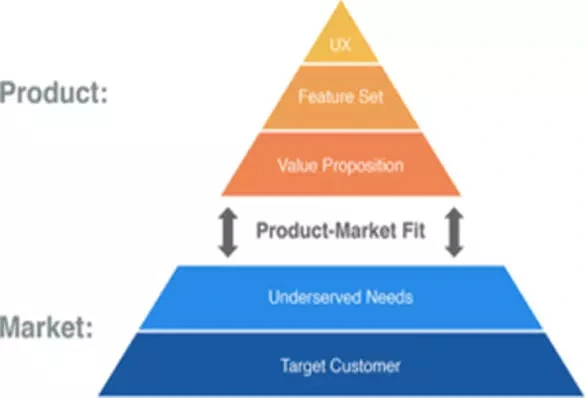
In practical terms, you've achieved product-market fit when:
- Customers are buying your product at the rate you need them to
- Users are retaining and engaging with your product over time
- The user feedback is overwhelmingly positive
- The cost of acquiring customers makes economic sense compared to their lifetime value
- User growth is increasingly driven by word-of-mouth and organic channels
Investor and entrepreneur Sean Ellis proposed a more quantifiable definition: you've achieved product-market fit when at least 40% of users would be "very disappointed" if they could no longer use your product. This "40% rule" has become a common benchmark in the startup world.
Why Product-Market Fit Matters
The journeyfrom concept to product-market fit is often challenging and nonlinear, but its importance cannot be overstated. Here's why PMF matters so much:
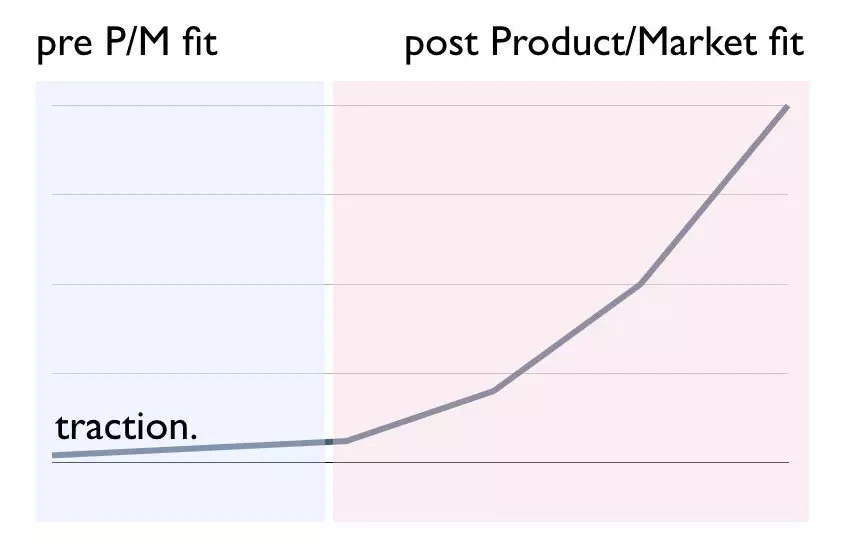
1. It's the foundation for sustainable growth
Without product-market fit, growth initiatives are like building on sand. You might gain users through aggressive marketing, but they won't stick around if your product doesn't truly solve their problems. Post-PMF, your growth strategies build upon a solid foundation.
2. It dramatically improves your business economics
When you've achieved PMF, customer acquisition costs typically decrease while lifetime value increases. Your sales cycles shorten, conversion rates improve, and the efficiency of your marketing spend increases significantly.
3. It attracts investment and resources
Investors look for product-market fit as validation before making significant investments. Having achieved PMF makes fundraising easier, attracts top talent, and opens doors to strategic partnerships.
4. It provides direction and focus
The search for product-market fit forces you to crystallize who your customers are, what problems you're solving, and how you're different from alternatives. This clarity becomes invaluable for decision-making across the organization.
Key Metrics to Measure Product-Market Fit
While product-market fit is somewhat subjective, several key metrics can help you gauge how close you are to achieving it:
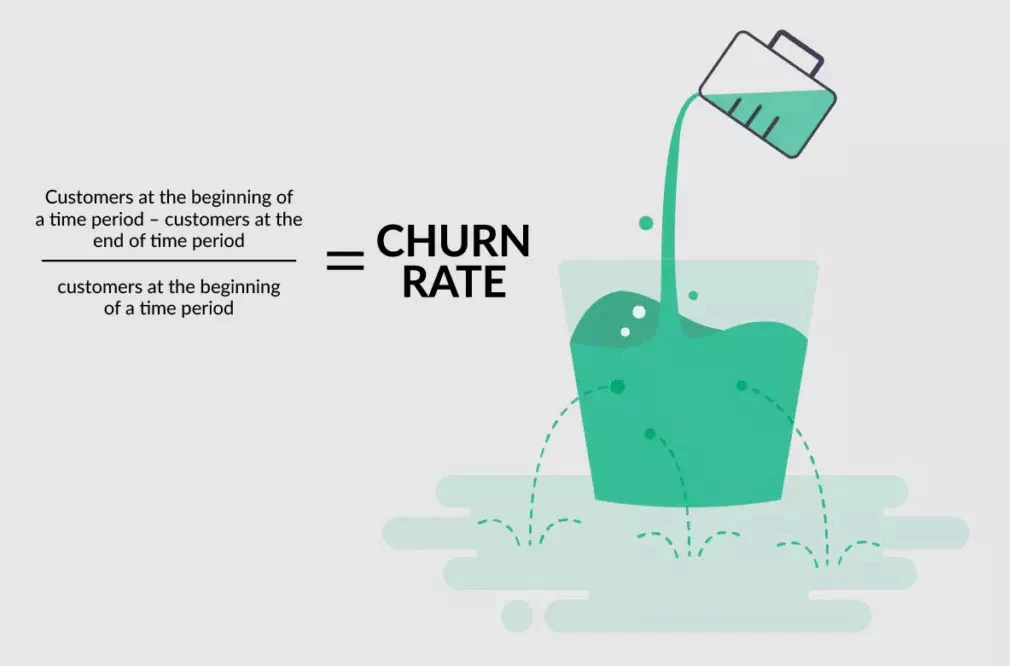
1. Customer Retention and Churn
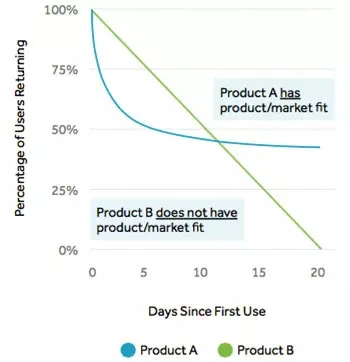
A product with PMF typically shows strong retention rates. For subscription businesses, monthly churn rates below 2-3% generally indicate good fit (though this varies by industry). For consumer apps, look at retention curves that flatten after initial drop-offs.
2. Product Engagement
Do customers use your product in the way and frequency you expect? Metrics like daily or monthly active users (DAU/MAU), session length, features used, and actions per session help measure engagement. A product with PMF shows consistent engagement patterns.
3. The Sean Ellis Test
Ask your users "How would you feel if you could no longer use [product]?" and measure the percentage who answer "very disappointed." If 40% or more would be very disappointed, you've likely achieved product-market fit.
4. Net Promoter Score (NPS)
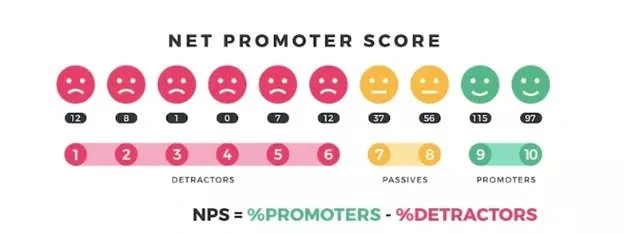
While NPS alone doesn't confirm PMF, a score above 40 (on the -100 to +100 scale) often correlates with strong product-market fit. More importantly, look at the verbatim feedback from promoters and detractors.
5. Customer Acquisition Cost (CAC) vs. Lifetime Value (LTV)
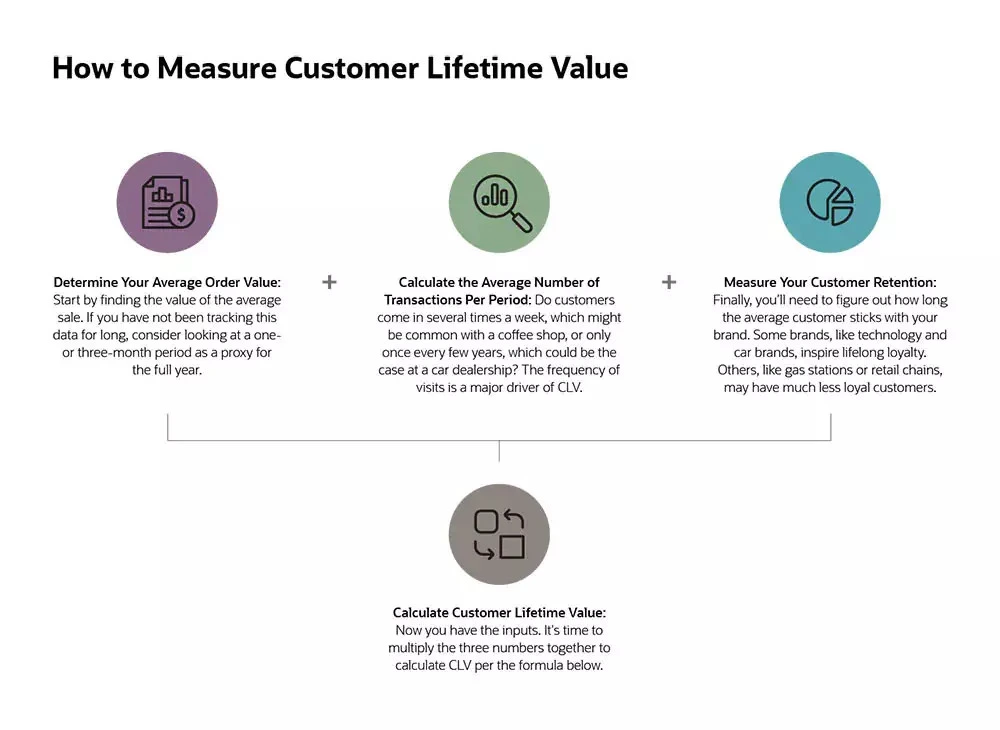
A healthy LTV:CAC ratio (typically 3:1 or higher) suggests you've found a sustainable business model built around a product people value enough to justify your acquisition costs.
6. Organic Growth and Referrals
When a significant percentage of new customers come from word-of-mouth, referrals, or organic channels rather than paid acquisition, it's a strong indicator of product-market fit.
The 5-Step Process to Finding Product-Market Fit
Finding product-market fit isn't a matter of luck—it's a methodical process that combines strategic thinking, market research, rapid iteration, and attentive listening to customer feedback. Here's a structured approach:
Step 1: Identify Your Target Customer
The journey to product-market fit begins with clarity about who your product is for. This goes beyond basic demographics to understanding:
- Jobs to be done: What tasks or objectives is your customer trying to accomplish?
- Pain points: What frustrations or problems do they face with current solutions?
- Buying triggers: What events or situations prompt them to seek a solution?
- Decision criteria: What factors influence their purchase decisions?
- Success criteria: How do they measure whether a solution worked for them?
Creating detailed customer personas or ideal customer profiles (ICPs) can help crystallize this understanding. The more specific you can be about your target customer, the more focused your product development and marketing efforts will be.
Remember: It's better to be loved by a small, specific group than to be merely tolerated by a broad audience. Narrow your focus to find strong product-market fit with a defined customer segment before expanding.
Step 2: Identify Underserved Customer Needs
Once you understand your target customer, dive deep into their needs—particularly those that aren't being adequately addressed by existing solutions. This research phase should combine:
- Qualitative research: Customer interviews, focus groups, observation studies, and open-ended surveys
- Quantitative research: Market size analysis, feature prioritization surveys, and competitive benchmarking
- Industry analysis: Identifying trends, regulatory factors, and technological shifts that create new opportunities

During this phase, try to identify:
- The highest-priority problems that customers are willing to pay to solve
- Areas where customers are cobbling together inadequate solutions
- Situations where existing solutions are overserving (too complex or expensive) or underserving (missing key functionality) customer needs
- Emerging needs created by changes in technology, regulation, or customer behavior
The goal is to find the sweet spot where significant customer needs intersect with your ability to deliver a differentiated solution.
Step 3: Define Your Value Proposition
With a clear understanding of your target customer and their underserved needs, articulate a compelling value proposition. A strong value proposition:
- Clearly states what your product does and for whom
- Articulates the primary benefit or outcome customers will experience
- Explains why your approach is different from or better than alternatives
- Is specific, measurable, and credible
Your value proposition should be concise enough to communicate quickly but detailed enough to differentiate your offering. It becomes the foundation for your product development priorities and marketing messages.
Example: "For small e-commerce businesses struggling with inventory management, our platform provides real-time inventory tracking across all sales channels with automated reordering, reducing stockouts by 85% while freeing up 10+ hours of manual work weekly."
Step 4: Specify Your Minimum Viable Product (MVP) Feature Set
With your value proposition defined, determine the minimum set of features required to deliver on that promise. The emphasis here is on "minimum"—include only what's necessary to solve the core problem for your target customers.
When specifying your MVP:
- Prioritize features using frameworks like MoSCoW (Must have, Should have, Could have, Won't have)
- Focus on solving one core problem exceptionally well rather than addressing multiple problems inadequately
- Distinguish between "must-have" features for initial launch and your longer-term product roadmap
- Consider non-product solutions (manual processes, services) that can complement your product in the early stages
The MVP approach allows you to get to market faster, start learning from real customer usage, and avoid overbuilding features that may not deliver value.
Step 5: Test, Learn, and Iterate
With your MVP in market, establish systematic ways to gather feedback and measure how well you're addressing customer needs:
- Create feedback channels through surveys, user interviews, support interactions, and usage analytics
- Establish key metrics that indicate progress toward product-market fit
- Implement rapid iteration cycles to address gaps between customer expectations and product reality
- Be willing to make significant pivots if the evidence suggests your initial hypotheses were wrong
Remember that finding product-market fit is rarely a single "eureka" moment—it's an iterative process of progressively better alignment between your product and market needs. The key is to learn and adapt quickly based on real-world feedback.
Common Pitfalls in Finding Product-Market Fit
As you work toward product-market fit, be mindful of these common mistakes:
1. Premature scaling
One of the biggest mistakes startups make is scaling growth efforts before achieving product-market fit. This leads to high acquisition costs for customers who don't stick around, creating an unsustainable business model. Focus on getting the product right before pouring resources into growth.
2. Building in isolation
Products developed without continuous customer feedback rarely find product-market fit. Involve potential customers from the earliest stages and maintain an ongoing dialogue throughout development.
3. Misidentifying your target customer
Targeting too broad an audience or the wrong audience entirely makes finding PMF nearly impossible. Be willing to narrow your focus to find a specific customer segment where your solution resonates strongly.
4. Confusing initial interest with product-market fit
Early adopters and friends may show enthusiasm for your concept, but this doesn't necessarily indicate product-market fit. Look for sustained engagement and willingness to pay over time from your target market.
5. Pivoting too quickly or not quickly enough
Finding the right balance between persistence and flexibility is challenging. Some founders abandon promising ideas before giving them sufficient time, while others stubbornly stick with approaches that clearly aren't working.
6. Ignoring negative feedback
It's human nature to focus on positive feedback and rationalize away criticism. However, understanding why some customers are dissatisfied often provides the most valuable insights for achieving product-market fit.
Strategies to Accelerate Finding Product-Market Fit
While there's no guaranteed shortcut to product-market fit, certain approaches can help you find it more efficiently:
1. Start with a beachhead market
Rather than targeting a broad market initially, identify a small, specific segment where your solution could be transformative. Once you've established PMF in this beachhead market, you can expand to adjacent segments.
2. Embrace concierge and Wizard of Oz MVPs
Consider manually delivering your solution's value proposition before building the full product. A "concierge MVP" involves working directly with customers to solve their problems manually, while a "Wizard of Oz" approach appears automated to the customer but has humans performing processes behind the scenes.
3. Implement continuous discovery
Rather than treating customer research as a one-time activity, establish ongoing processes for understanding customer needs and gathering feedback. Aim for weekly customer conversations and systematic ways to share insights across your team.
4. Use cohort analysis
Track how retention and engagement metrics change for different cohorts of customers over time. Improving metrics for newer cohorts suggests you're moving toward product-market fit.
5. Develop a North Star metric
Identify a single metric that best indicates whether customers are finding value in your product. This could be a usage metric (like weekly active users), an engagement metric (like photos uploaded), or a business metric (like MRR). Align your team around improving this North Star.
6. Build a customer advisory board
Formalize relationships with customers who represent your target market. Regular meetings with this advisory board can provide structured feedback on your product direction and help identify gaps in your offering.
Beyond Product-Market Fit: What Comes Next?
Achieving product-market fit is a critical milestone, but it's not the end of your journey. Once you've established PMF, consider these next steps:
1. Optimize your growth model
With PMF in place, identify the most efficient channels and strategies for acquiring customers. Develop a repeatable, scalable approach to growth that maintains reasonable customer acquisition costs.
2. Build operational scalability
Ensure your operations, infrastructure, and team can handle increased demand without sacrificing quality. This may involve automation, process refinement, and strategic hiring.
3. Expand to adjacent markets
Once you've dominated your initial target segment, consider expanding to related customer segments or geographic markets. Apply the lessons from your first PMF journey to find fit in these new markets.
4. Enhance your product for deeper engagement
With the core value proposition validated, develop features that increase engagement, retention, and lifetime value. Focus on turning satisfied customers into enthusiastic advocates.
5. Maintain PMF as markets evolve
Remember that product-market fit isn't permanent—customer needs, competitive landscapes, and market conditions change over time. Continuously reassess your PMF and be prepared to evolve your product accordingly.
Conclusion: The Journey to Product-Market Fit
Finding product-market fit is perhaps the most challenging yet crucial achievement for any product-based business. It represents the moment when your product transitions from being a solution in search of a problem to being a must-have for a specific customer segment.
The journey to PMF is rarely linear or predictable. It demands patience, humility, and a genuine desire to understand and serve your customers' needs. You'll likely face countless setbacks and moments of doubt along the way. However, by following a structured approach, remaining customer-focused, and being willing to adapt based on evidence, you dramatically increase your chances of success.
Remember that product-market fit is not binary—it exists on a spectrum, and you'll find yourself progressively moving toward stronger fit as you refine your understanding of customer needs and your ability to address them. Each iteration, each customer conversation, and each data point moves you closer to that elusive but transformative state where customers can't imagine life without your product.
The rewards for achieving product-market fit are substantial: sustainable growth, improved unit economics, investor interest, and the profound satisfaction of creating something that truly matters to your customers. By applying the concepts and strategies outlined in this guide, you'll be well-equipped for the journey ahead.